7 Signs Your Content Is Still Built Around the Male Gaze
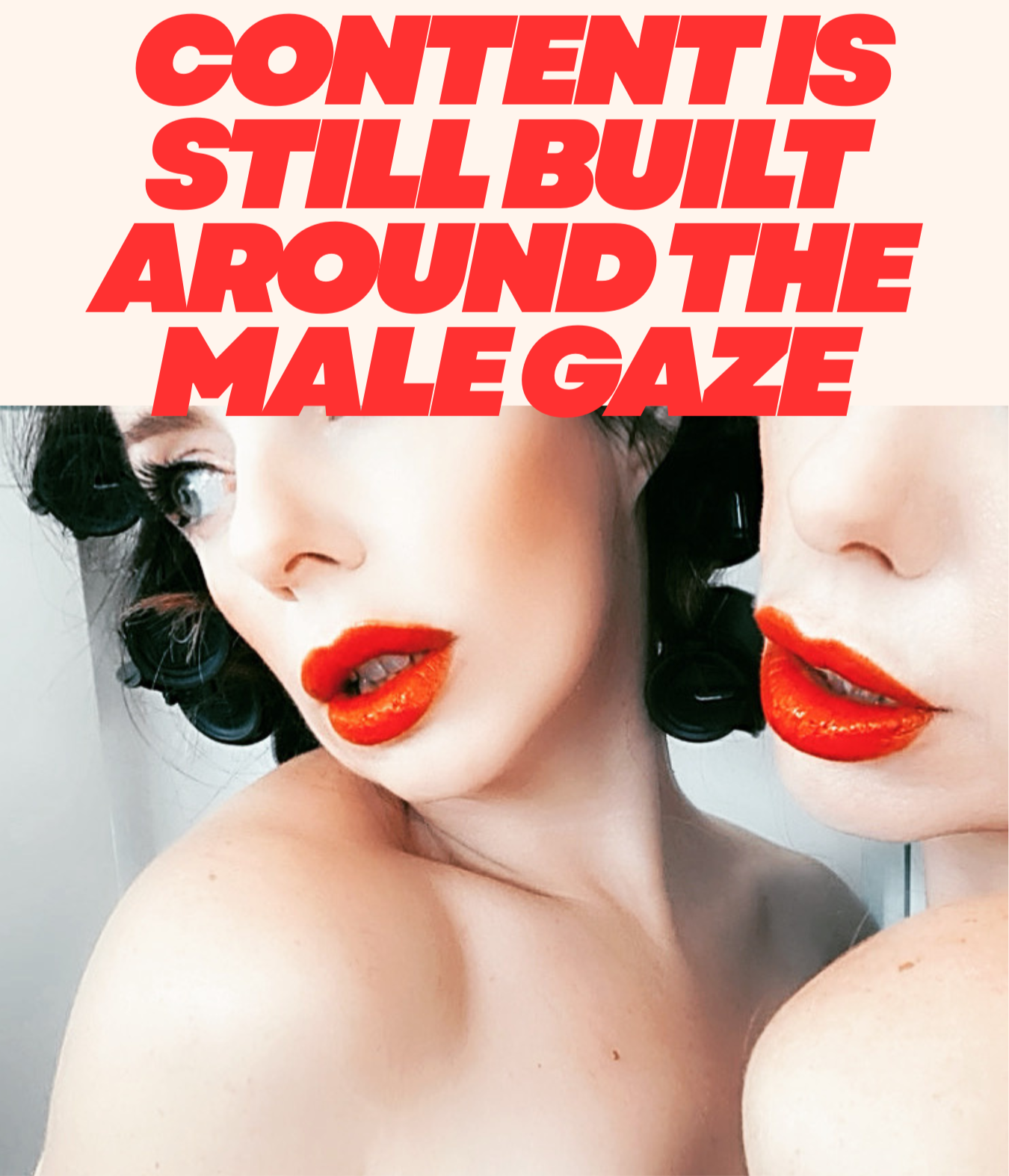
The male gaze did not disappear.
It got better lighting, a trending sound, a ring light, a softer font and a content strategy.
It moved from cinema into advertising. From advertising into social media. From glossy magazine spreads into Instagram reels, personal brand shoots, wellness content, founder videos, fashion campaigns, beauty tutorials and lifestyle branding.
It no longer always looks obvious. It does not always arrive dressed as a perfume advert with a woman draped over a car. Sometimes it arrives as “empowerment”. Sometimes it arrives as “confidence”. Sometimes it arrives as “just showing up online”.
But underneath the soft lighting and inspirational captions, the same old question is often still being asked:
Is this woman desirable enough to look at?
That is where I think content creators, brands and women-led businesses need to pause.
Because content is not neutral. Images are not neutral. The camera is not neutral.
Every frame makes a decision. Every edit makes a decision. Every pose, caption, crop, sound, filter, transition and visual trend tells the viewer how to understand the person in front of them.
After more than 20 years working with images, first as a photographer and now as a content creator, I have learned that the most powerful content is not always the most polished. It is the content that understands the difference between being looked at and being seen.
And that difference is everything.
What is the male gaze?
The term “male gaze” is most commonly linked to film theorist Laura Mulvey, who wrote about how mainstream cinema often positioned women as objects of visual pleasure, seen through the viewpoint of a heterosexual male spectator. Her 1975 essay Visual Pleasure and Narrative Cinema became one of the key reference points for understanding how women are framed, watched, desired and objectified in visual culture.
In simpler terms, the male gaze is what happens when women are represented primarily as something to be looked at, consumed or desired, rather than as full subjects with agency, complexity and interior life.
And this matters because images shape how we understand ourselves.
Objectification theory, developed by Barbara Fredrickson and Tomi-Ann Roberts, explores how girls and women can learn to internalise an observer’s view of their own bodies. In other words, women can begin to experience themselves from the outside in, constantly monitoring how they appear rather than simply living inside their own bodies.
That idea is painfully relevant to social media.
Because so much of modern content asks women to watch themselves being watched.
Is my face right?
Is my body right?
Do I look confident enough?
Do I look too confident?
Do I look attractive?
Do I look professional?
Do I look approachable?
Do I look young enough?
Do I look effortless, but not lazy?
Do I look polished, but not fake?
Do I look visible, but not too visible?
It is exhausting.
And for women-led brands, female founders, creatives and business owners, this creates a real tension. You need to be visible. You need content. You need images, reels, video, personal brand storytelling and social proof.
But you should not have to perform for the same visual rules that have spent decades reducing women to decoration.
That is where female-gaze-led content comes in.
From photography to content creation
My background is photography. For more than 20 years, I worked behind the camera, photographing women through many different stages of life: confidence, motherhood, illness, ageing, grief, reinvention, business ownership, identity shifts and moments where they did not quite recognise themselves anymore.
That experience taught me something I now carry into content creation:
People can feel the power dynamic in an image.
They may not have the theory. They may not use words like objectification, gaze, representation or visual culture. But they can feel when an image is extracting something from someone.
They can feel when a woman has been arranged for approval.
They can feel when beauty is doing more work than story.
They can feel when vulnerability has been turned into an aesthetic.
They can feel when a brand says “empowerment” but the visuals still say “please find me desirable”.
That was part of the thinking behind my own project, Come As You Are.
The project was built around authentic portraiture, female empowerment and body positivity, but not in a glossy, slogan-on-a-tote-bag way. The women who took part spoke about confidence, illness, motherhood, body changes, identity, self-doubt and the fear of being seen. Some talked about wanting to find themselves again. Some talked about feeling most comfortable not being visible at all.
That project changed how I thought about image-making.
It made me much less interested in simply making women look “good”.
Because “good” can be a trap.
Good according to who?
Good for what?
Good because she looks like herself, or good because she has been edited into something easier to approve of?
That question now sits at the centre of my work as a content creator.
The male gaze in modern content
The male gaze in content does not always look sexual.
Sometimes it looks like over-polishing.
Sometimes it looks like making a woman appear smaller, softer, quieter or more palatable.
Sometimes it looks like turning her into a lifestyle accessory for her own brand.
Sometimes it looks like using her body, face, vulnerability or femininity as the hook, while her actual knowledge, story or authority becomes secondary.
And sometimes, annoyingly, it performs as empowerment.
That is the slippery bit.
A woman can be wearing what she wants, saying what she wants, selling what she wants and still be framed through visual rules that make her consumable first and human second.
So when I talk about the female gaze in content creation, I am not talking about removing beauty. I am not talking about making everything soft, muted, natural and serious. I am not saying women cannot be glamorous, sexy, funny, stylish, bold or commercial.
Beauty is not the problem.
Selling is not the problem.
Visibility is not the problem.
The problem is content that asks women to become objects first and people second.
7 signs your content is still built around the male gaze
1. Your content is designed to make women look consumable
This is the big one.
If the main purpose of the image is to make the woman desirable, rather than understood, the content is probably still working through the male gaze.
That does not mean women cannot look beautiful. Of course they can.
But there is a difference between beauty as expression and beauty as reduction.
Female-gaze-led content allows beauty to exist without making it the woman’s rent payment for being visible.
2. Beauty is doing more work than story
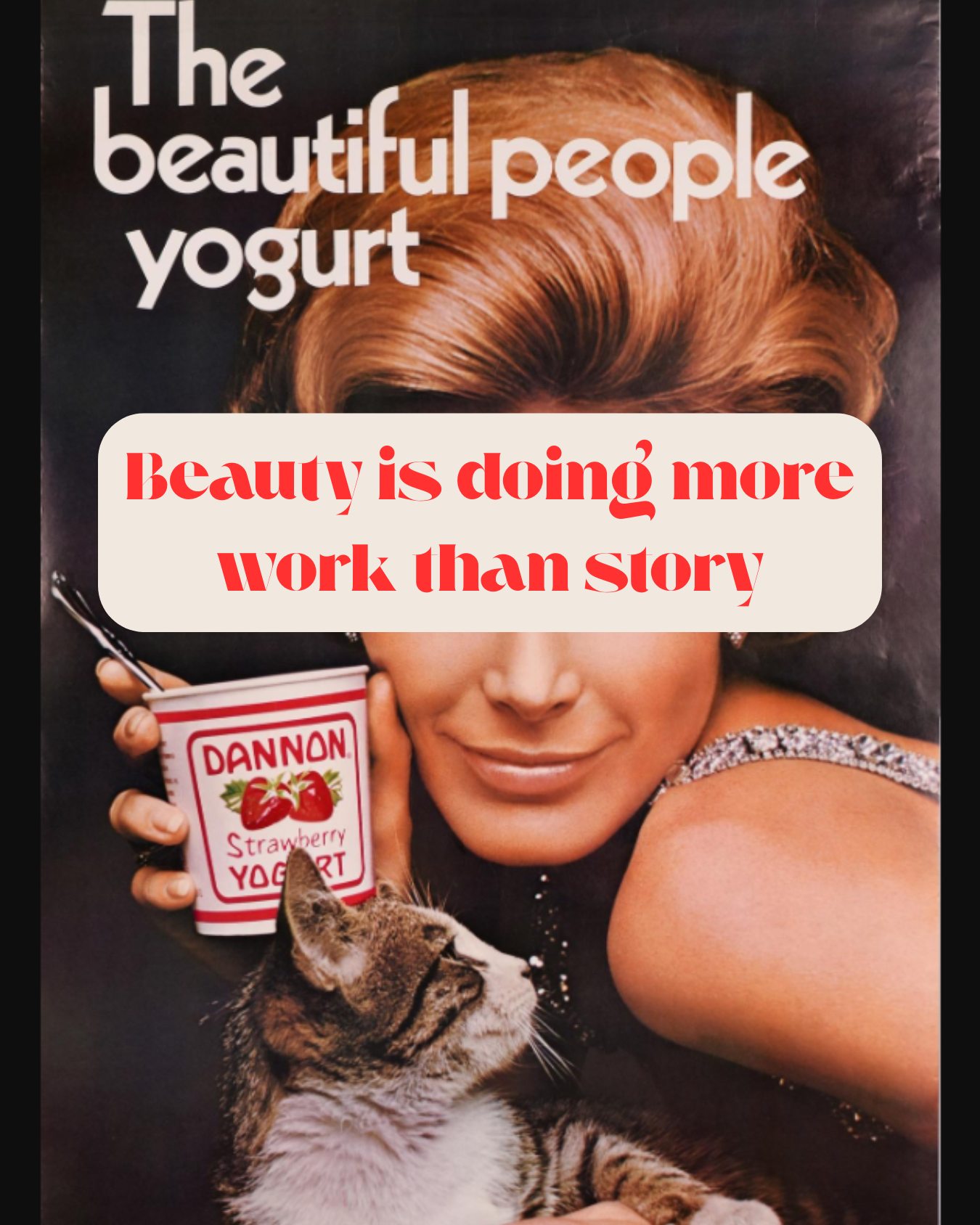
A polished image can still be empty.
If the lighting, outfit, styling, body, face, location and edit are all doing the heavy lifting, but we do not understand who the woman is, what she believes, what she does, what she knows or why she matters, then the content has become surface-led.
This is especially relevant for personal brands.
Your audience does not just need to know what you look like.
They need to understand your thinking.
They need to feel your values.
They need to know what you stand for.
Otherwise, you are just feeding the algorithm another pretty shell.
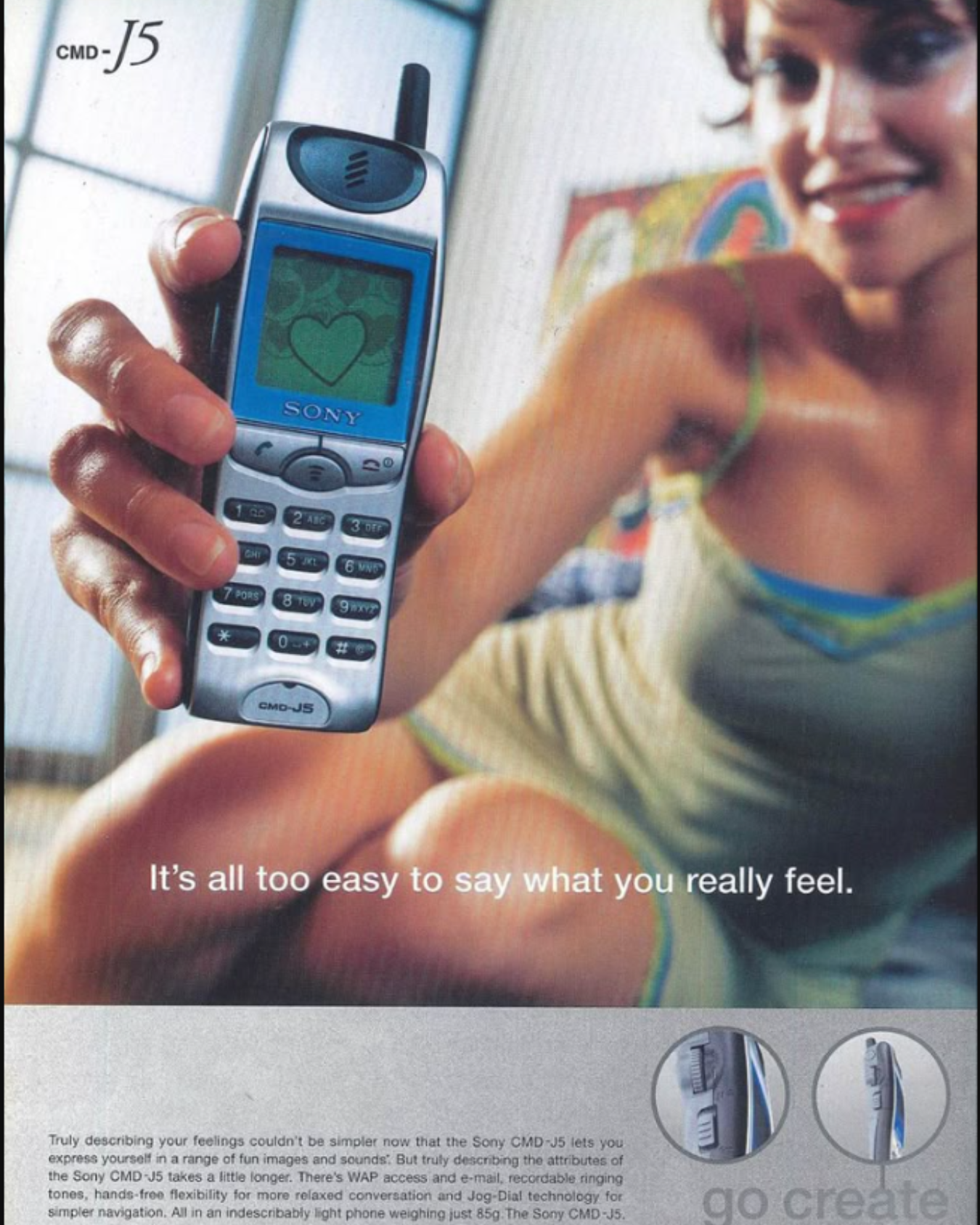
3. The woman is the decoration, not the subject
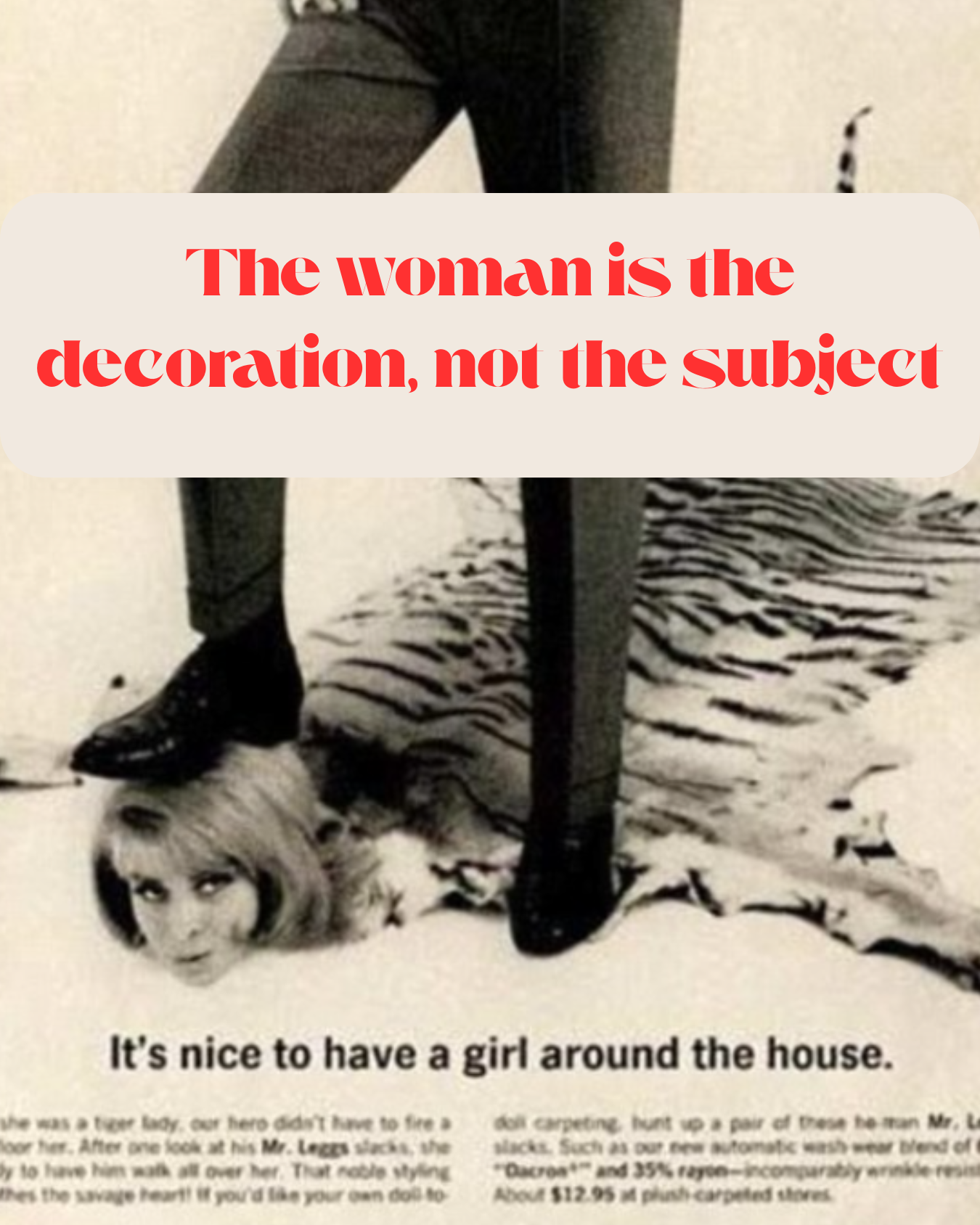
This happens constantly in brand content.
A woman appears in the frame, but she is not really the point. She is there to soften the brand, beautify the product, create aspiration or add lifestyle appeal.
She becomes a prop.
Female-gaze-led content asks different questions.
What is her role in this story?
What is her agency?
What does she know?
What is she choosing?
What is the viewer being invited to understand about her?
If the woman could be replaced by a vase, a candle or a beige linen curtain and the content would still make sense, we have a problem.

4. The camera lingers but does not listen
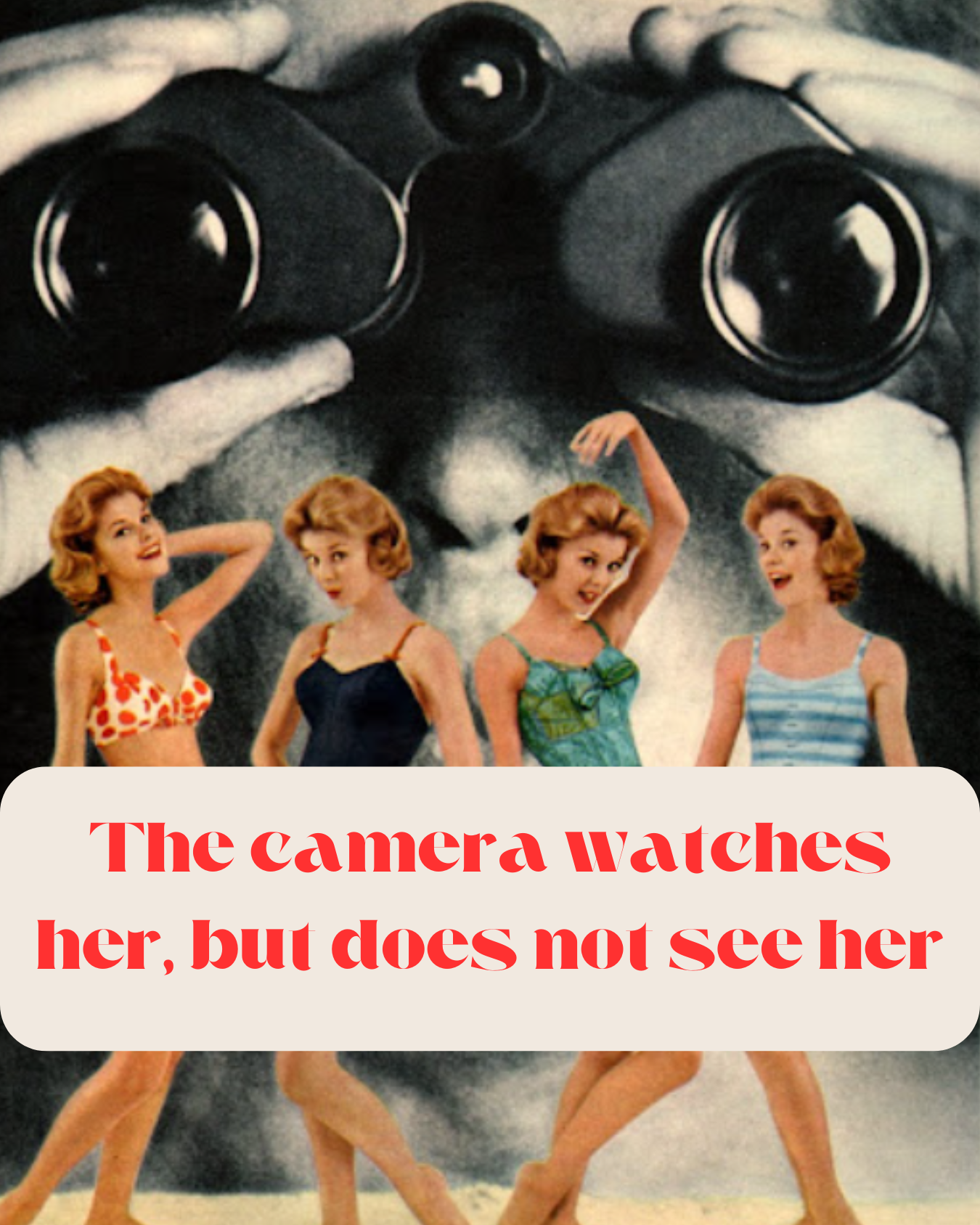
This is one of the clearest differences between objectifying content and human-centred content.
The camera can look without listening.
It can move across someone’s body, face, clothes, hands or environment and still tell us nothing about them.
Listening with a camera means the content has been built with context. It considers the person’s comfort, story, personality, body language, boundaries and message.
This is where my photography background deeply affects how I create content.
Before I think about the shot, I think about the person.
What are they trying to say?
Where do they feel awkward?
What are they hiding behind?
What feels false?
What feels alive?
What needs to be left alone?
Good content direction is not just telling someone where to stand.
It is knowing when the visual idea is starting to overpower the human being inside it.

5. Vulnerability is used as an aesthetic
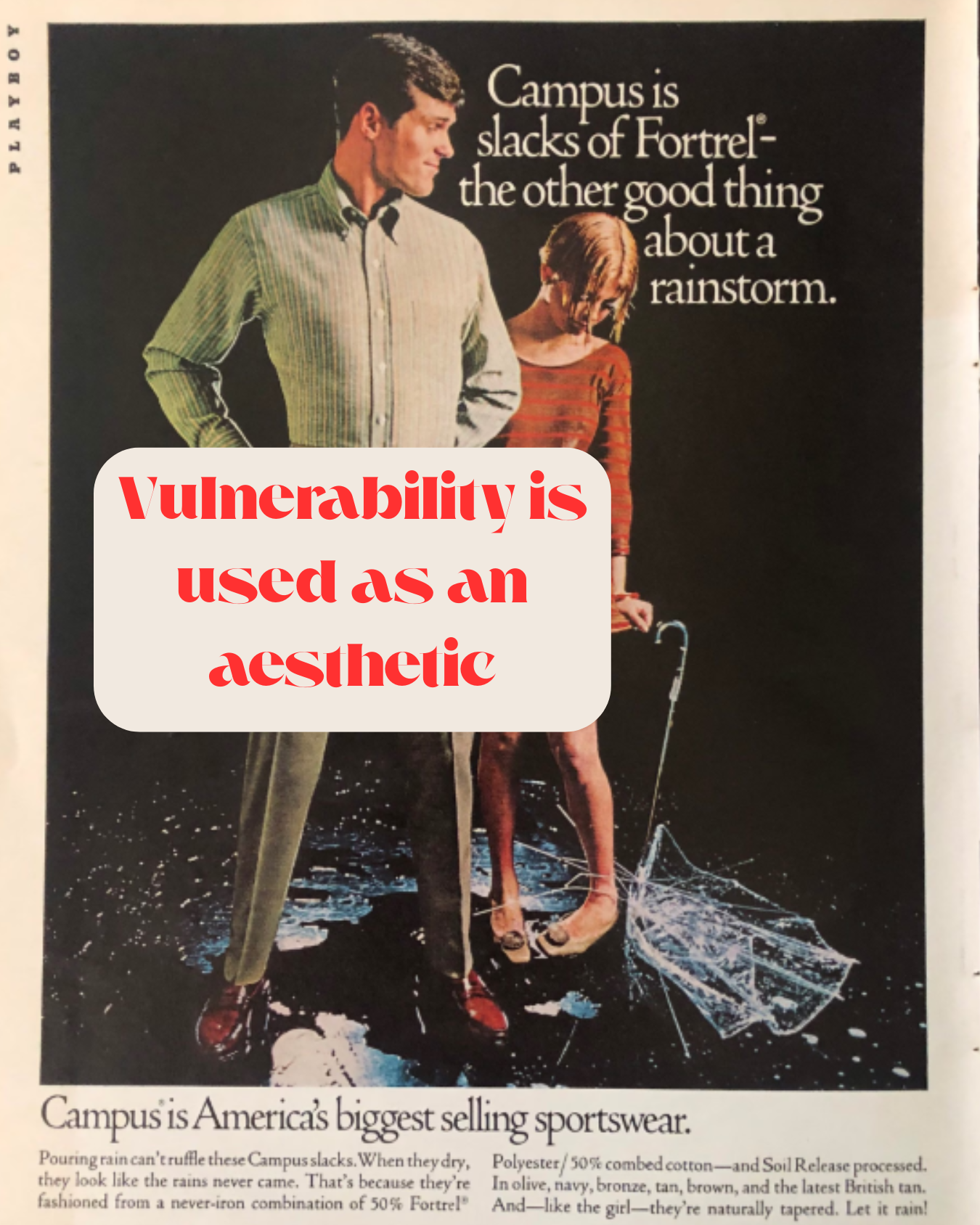
We need to talk about this one.
Because online content has learned how to package vulnerability beautifully.
Crying selfies. Slow-motion staring out of windows. Messy-but-curated desks. Trauma turned into carousel hooks. Healing turned into a brand palette.
Now, some of this can be real. I am not dismissing honest storytelling.
But vulnerability becomes problematic when it is used mainly to create intimacy, engagement or emotional click-through, without care for the person behind it.
Female-gaze-led content does not use vulnerability as bait.
It gives people authorship over their own story.
There is a difference between sharing something true and being visually arranged as wounded for the sake of relatability.
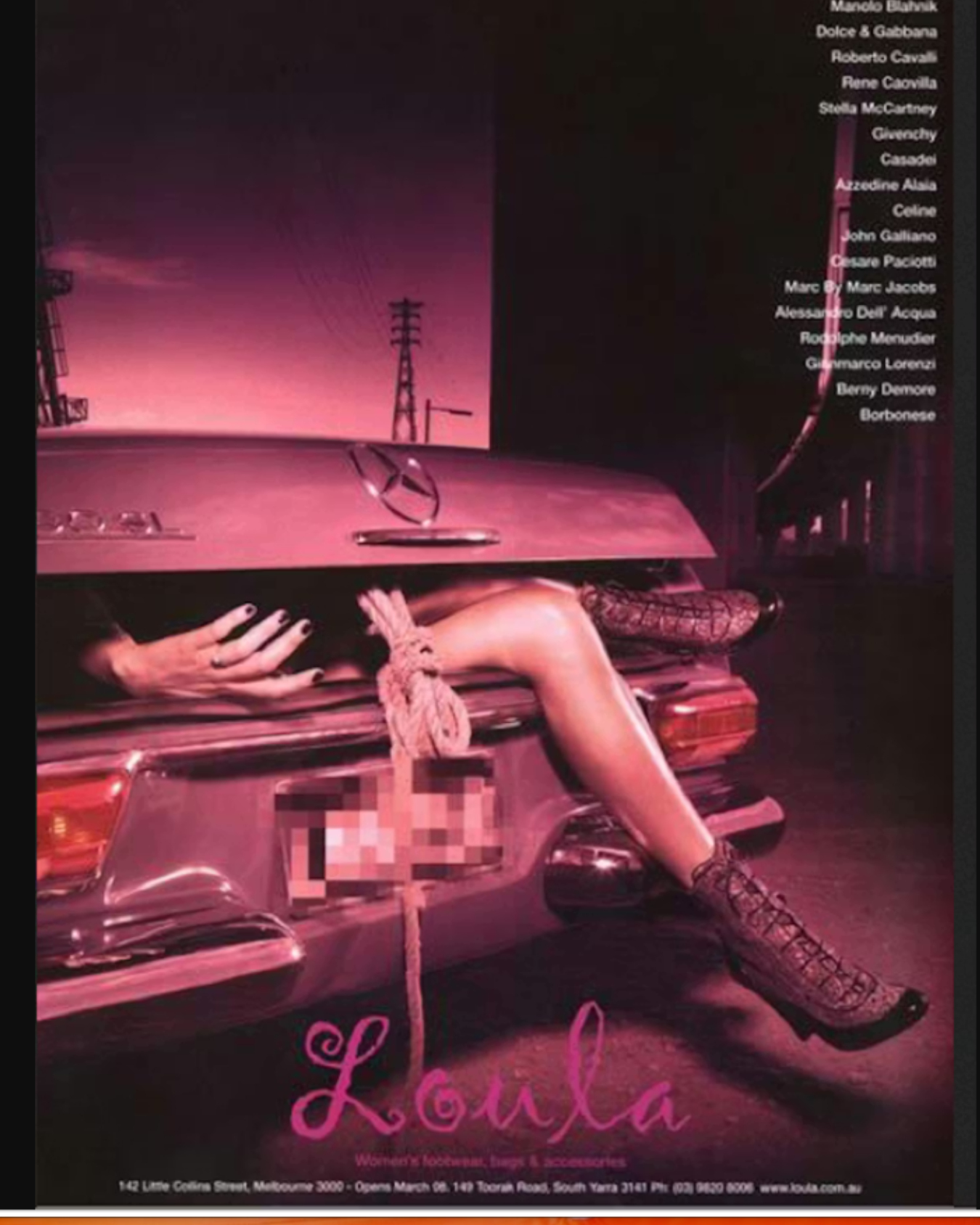
6. “Empowerment” still depends on being desirable
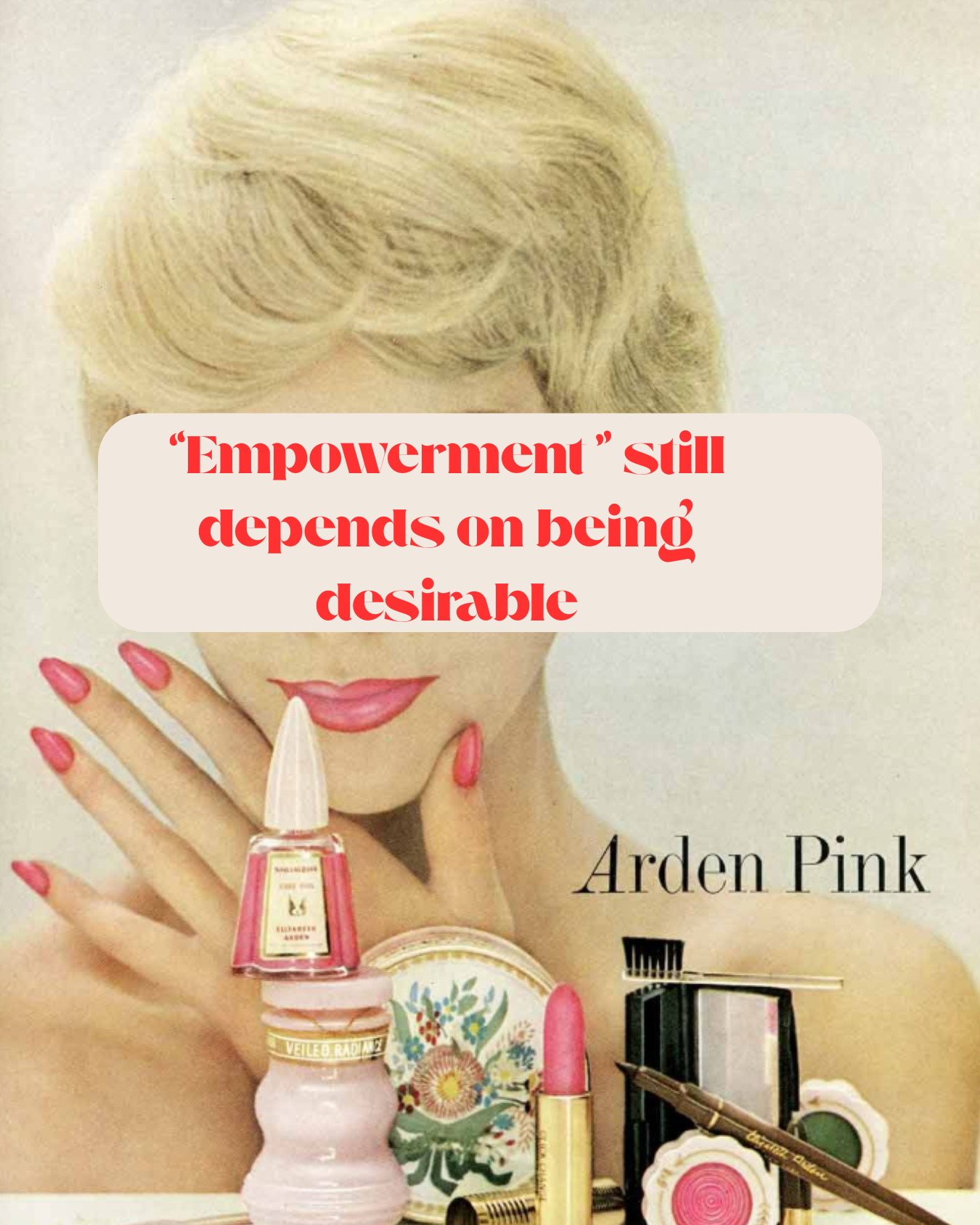
This is where a lot of brand content gets itself in a twist.
It says “be yourself”, but only shows a very narrow version of what that self is allowed to look like.
Young. Thin. Smooth. Glowing. Stylish. Unbothered. Sexually legible, but not too much. Confident, but not threatening. Successful, but still likeable.
That is not liberation.
That is just a prettier cage.
Female-gaze-led content makes room for women to be more than desirable.
Tired. Brilliant. Awkward. Funny. Angry. Ageing. Soft. Direct. Complicated. Practical. Grieving. Powerful. Uncertain. Capable. Unfinished.
Women do not need to be visually perfect before they are allowed to be visible.
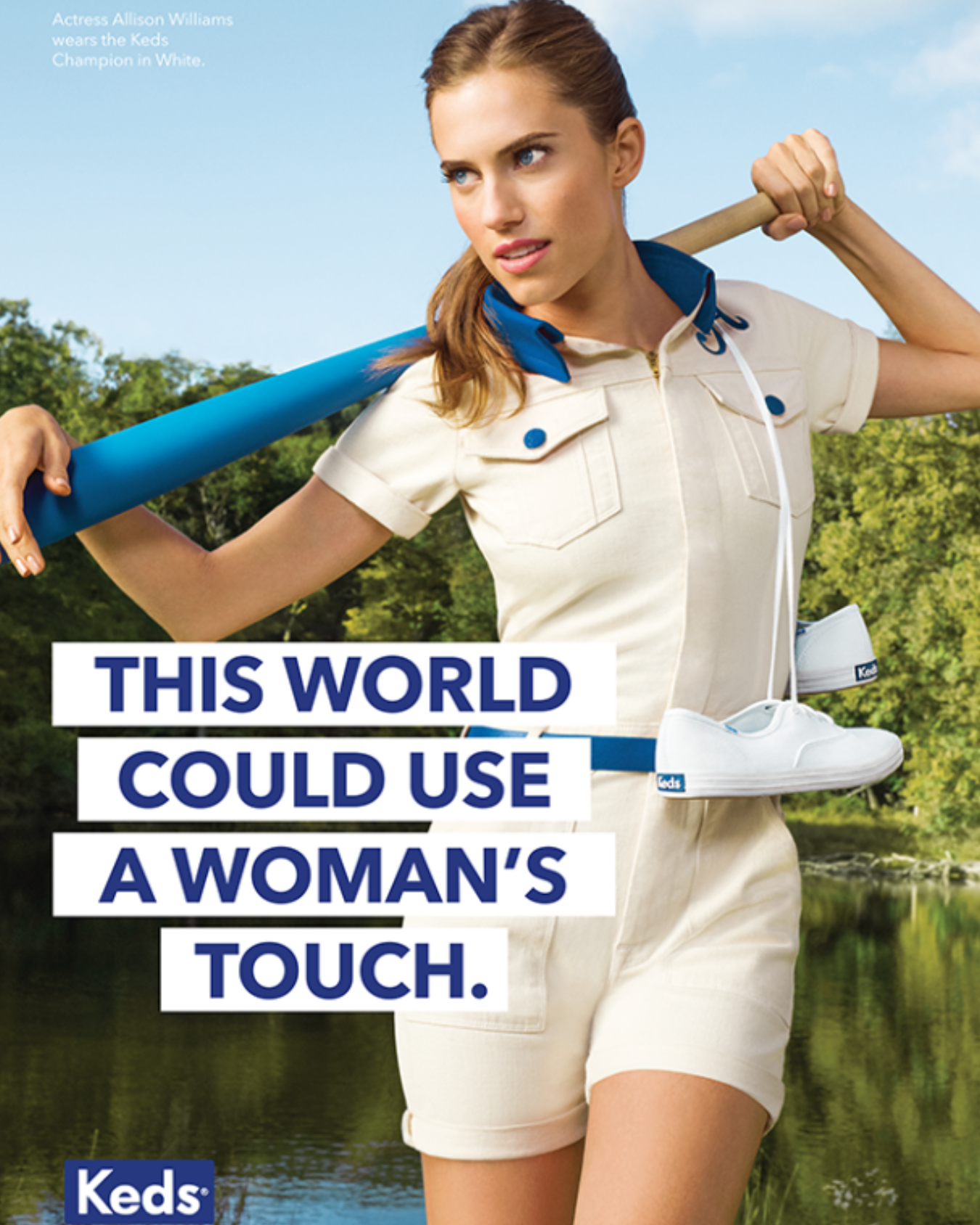
7. The brand voice says freedom, but the visuals say obedience
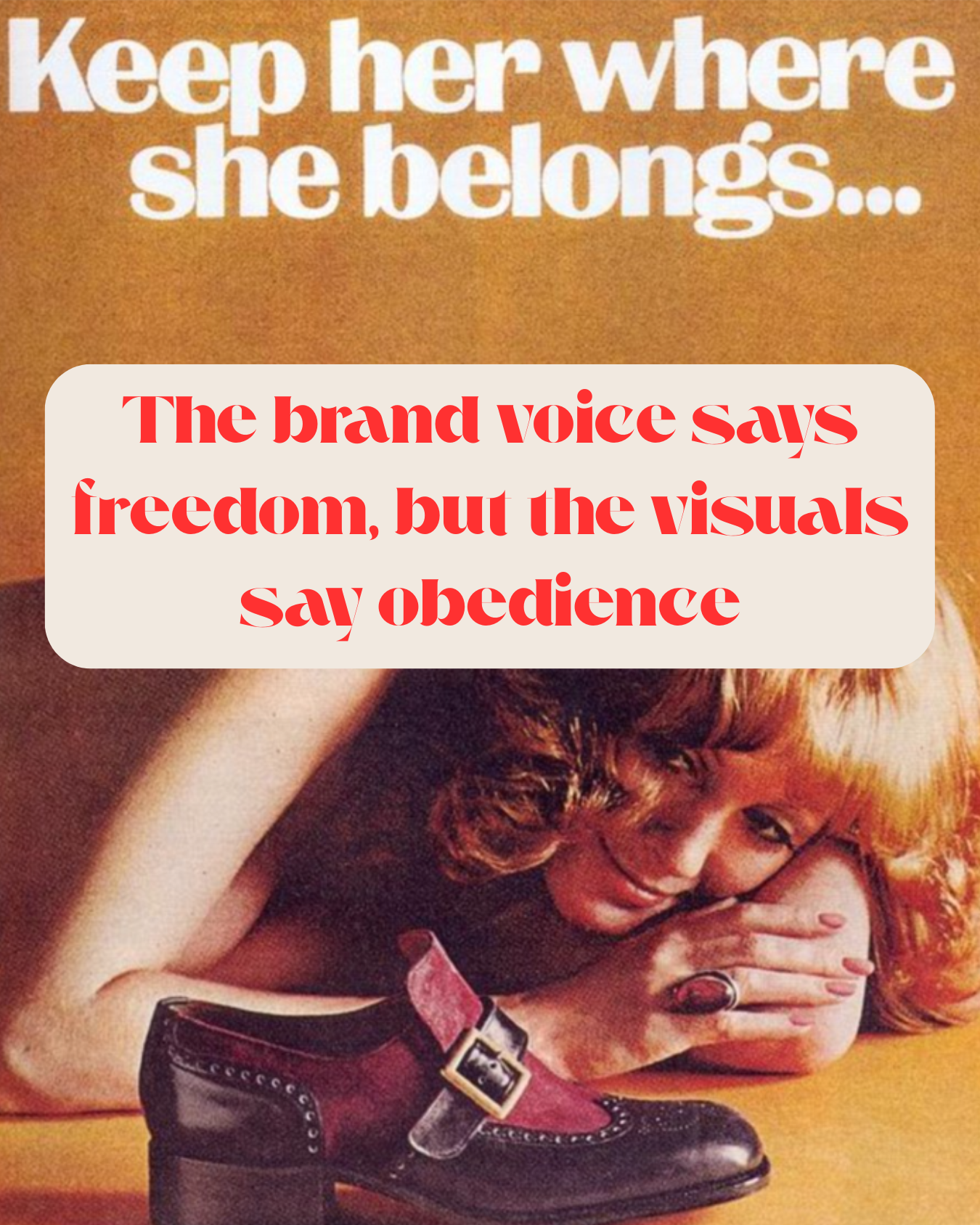
This is the one I want more brands to pay attention to.
You can write captions about confidence, freedom, authenticity and empowerment, but if your visuals are still built on perfection, performance and approval, your audience will feel the contradiction.
The words say: be yourself.
The visuals say: but make sure it is the acceptable version.
That gap matters.
Because audiences are more visually literate than brands give them credit for. They may not always be able to explain what feels off, but they can sense when a brand’s message and imagery are not telling the same truth.
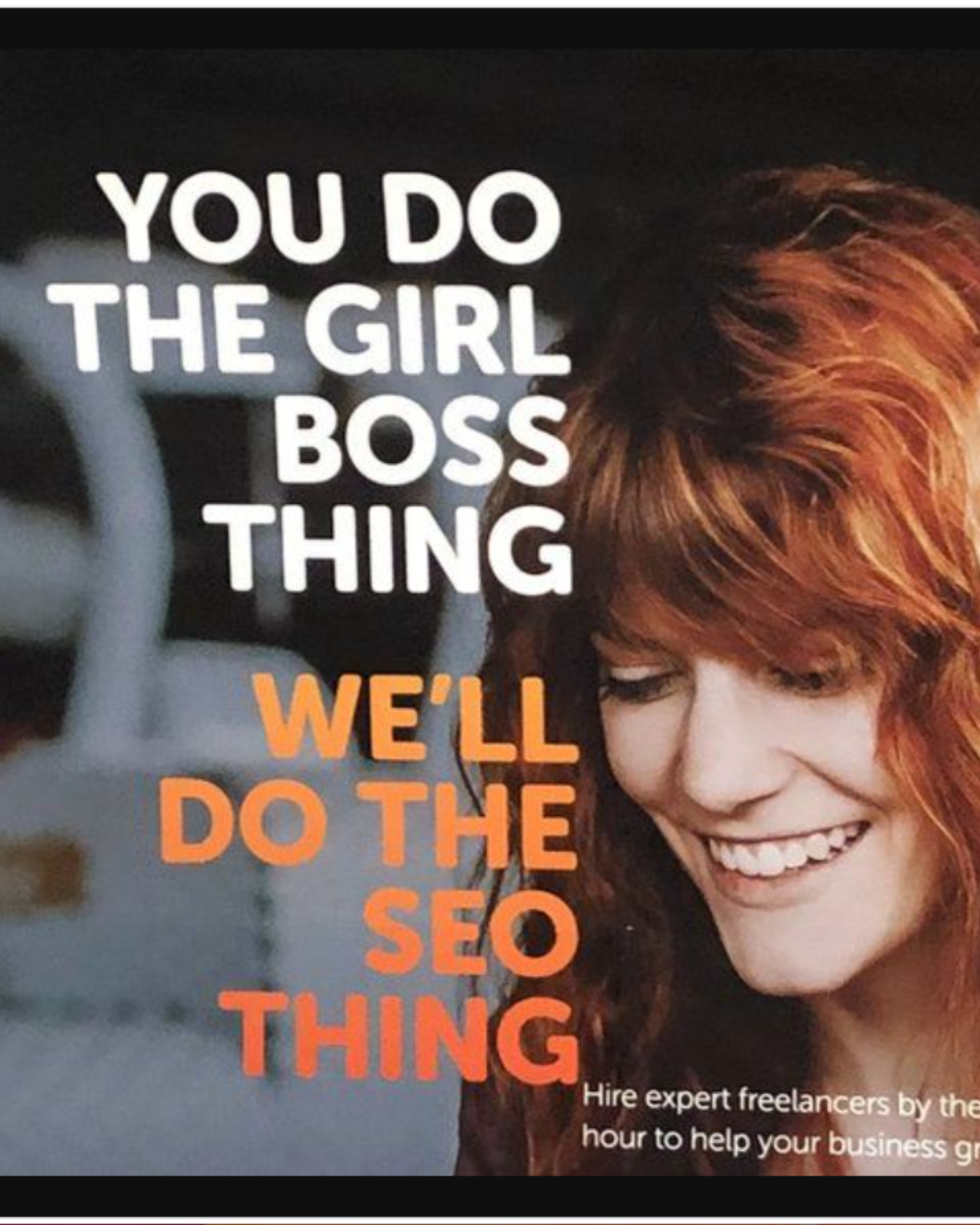
So what does female-gaze-led content look like?
For me, female-gaze-led content is not an aesthetic.
It is not just soft lighting, natural textures, handwritten fonts and women walking through fields in linen trousers.
It is a method.
It is a way of creating content that asks:
Who has agency here?
Who is this image serving?
Is this person being flattened or revealed?
Is beauty being used as expression or as control?
Does this content give the subject authorship?
Are we selling by creating insecurity, or by building connection and trust?
Does the visual story match the values of the brand?
For women-led brands, this matters commercially too.
Because content that feels more truthful tends to build stronger trust.
It makes the brand feel more human, more specific and more emotionally intelligent. It moves beyond “look at me” and into “understand what I stand for”.
That is where content becomes more than output.
It becomes positioning.
The Red Shoe lens
My work now sits at the intersection of photography, content creation, visual storytelling and female representation.
I still use everything photography taught me: light, composition, body language, expression, atmosphere, editing, visual rhythm and emotional timing.
But I now use those skills in a wider content context.
Reels. Campaigns. Personal brand content. Founder-led storytelling. Social media visuals. Brand messaging. Creative direction. Content strategy.
The goal is not simply to make content look nice.
The goal is to create content that helps women-led brands become visible without performing for the old visual rules.
Content that can sell without objectifying.
Content that can be beautiful without becoming hollow.
Content that can be strategic without becoming manipulative.
Content that lets women be seen, not just looked at.
Because the camera is never neutral.
And neither is content.
The question is not just: does this look good?
The better question is:
What version of this woman, this brand, this story, are we asking the audience to believe?
That is the work.
That is the shift.
That is the Red Shoe lens.