I have been photographing women since 2008, and in that time I have watched the same woman walk into my studio dressed as about eleven different people.
She was the Myspace girl first, with the side fringe and the camera held above her head. Then she was a hipster in thick glasses she didn't need. Then she painted the hallway grey, bought a wide-brimmed hat and started selling leggings to her school friends. She's been beige. She's been dewy. Right now she's carrying a film camera and a canvas tote and telling me she's “going analog,” which is funny, because I first photographed her doing exactly that in about 2013.
I've seen the whole cycle come round once. That makes me either very wise or very old, and my knees would like to vote.
I don't think any of these women were fake, by the way. They were trying things on, the way we all do. But after nearly twenty years behind a camera, watching women become a type and then one day just stop being it, I couldn't help but wonder…
Why do we keep performing ourselves? And when, if ever, does the performance stop?
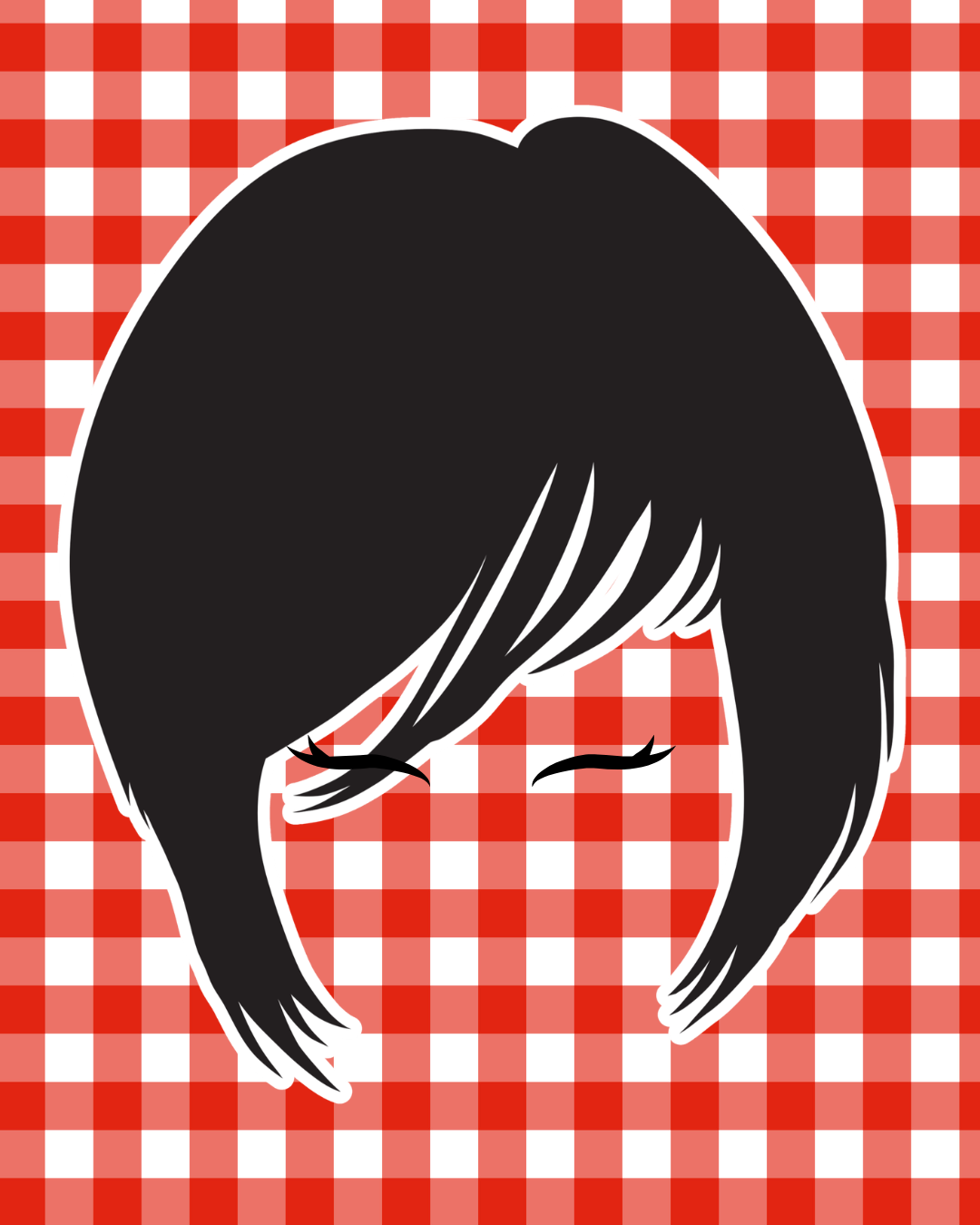
A field guide to the women I have photographed
The Myspace Girl (mid-2000s). Side fringe, heavy eyeliner, and a top eight she rearranged depending on who'd upset her that week. Every photo was taken from above, at arm's length, slightly out of focus, and she looked fantastic in all of them.
The Hipster (late 2000s). Glasses with no prescription in them, and a deep, sincere relationship with a band you hadn't heard of. She was the first woman I ever photographed holding a vintage camera as a prop.
The Optimistic Millennial (around 2014 to 2017). She lived in millennial pink, the colour of the rose gold iPhone. One writer called it a feminism that “feels good and also looks good.” Then 2017 happened, and the next few years happened, and pink turned out to be no match for any of it.
The Geek and the Reader. Disney tattoo on the wrist and a stack of books artfully placed in the background of every selfie. I love her, I really do. I just wonder how many of those books she finished.
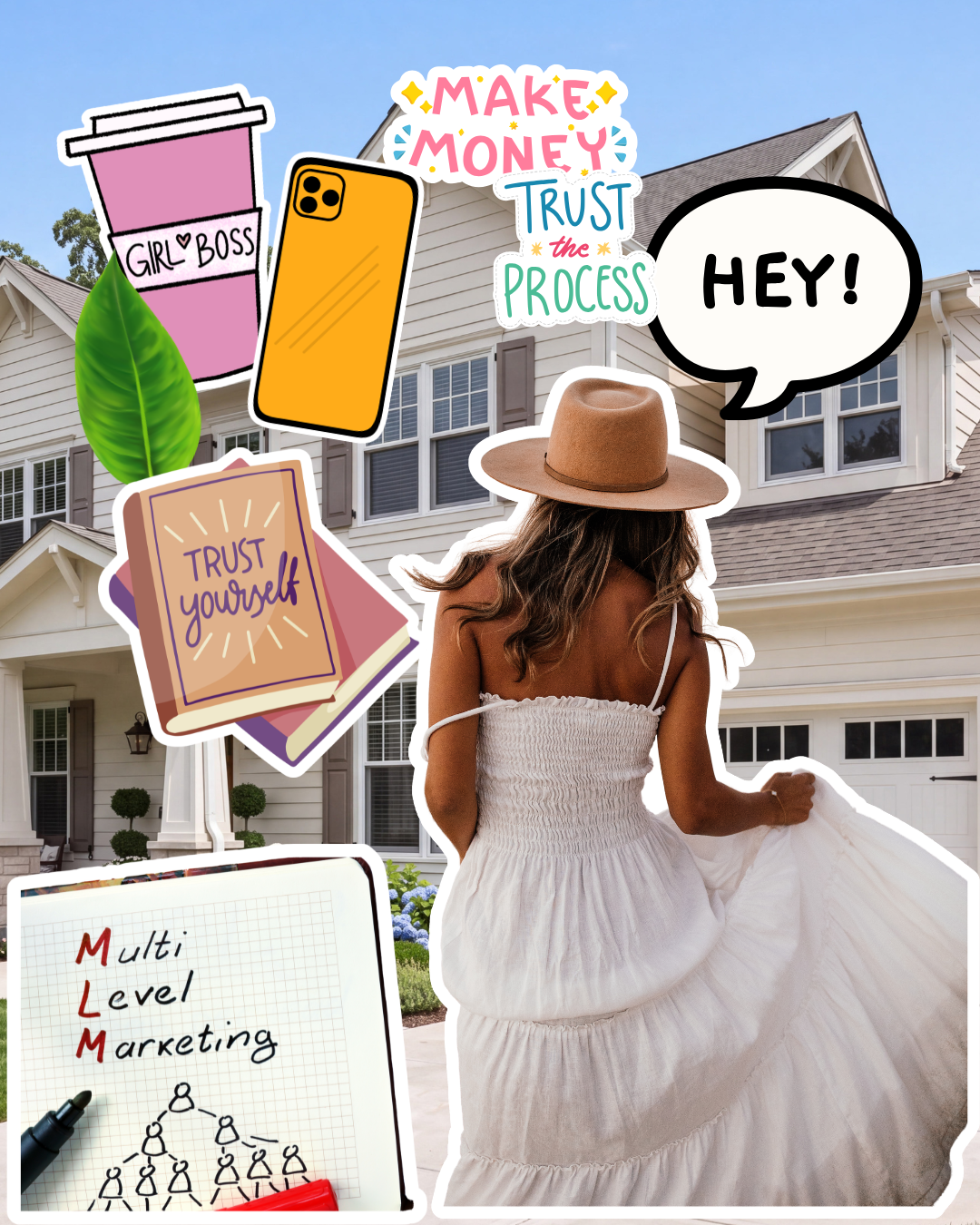
The Boss Babe (mid-2010s). Wide-brimmed hat, ankle boots, a quote about not settling, and an urgent message for you about a business opportunity. More on her in a minute.
The Grey House and the Beige House. The grey house came first, with the velvet sofa and the word LIVE in letters on the wall. Then everything went beige, and every living room in Britain looked like a very expensive oat.
The Clean Girl (2022 onwards). Slicked-back bun, gold hoops, dewy skin, and a hydration habit that's become a personality. By 2023 the clean girl aesthetic had more than four billion views on TikTok.
The Analog Girl (2013, and again now). Film camera round her neck, journal in her tote. I photographed her the first time round, and she's back with better trainers.
And the photos we took of all of them
Every one of these women came with a filter, and I'm guilty of editing most of them.
When Instagram launched in 2010, its filters made everyone's photos look like they'd been found in a shoebox in their nan's loft. Faded edges and yellow tints. We were all suddenly nostalgic for a 1970s none of us had lived through.
Then came the flat lay. A coffee, a succulent, a notebook nobody had written in and a pair of sunglasses, arranged at perfect right angles and shot from directly above. For a while there, it seemed like nobody in Britain ate breakfast without standing on a chair first.
And then, my personal favourite, the dark and moody years. The editing style that made the shadows “dark and heavy” and somehow turned a July wedding in Cheshire into November in the Brecon Beacons. Couples paid good money for summer weddings and got photos that looked like a funeral at a National Trust property. I did a few. I'm not proud.
Each trend felt like taste at the time. Looking back, it was mostly a uniform.
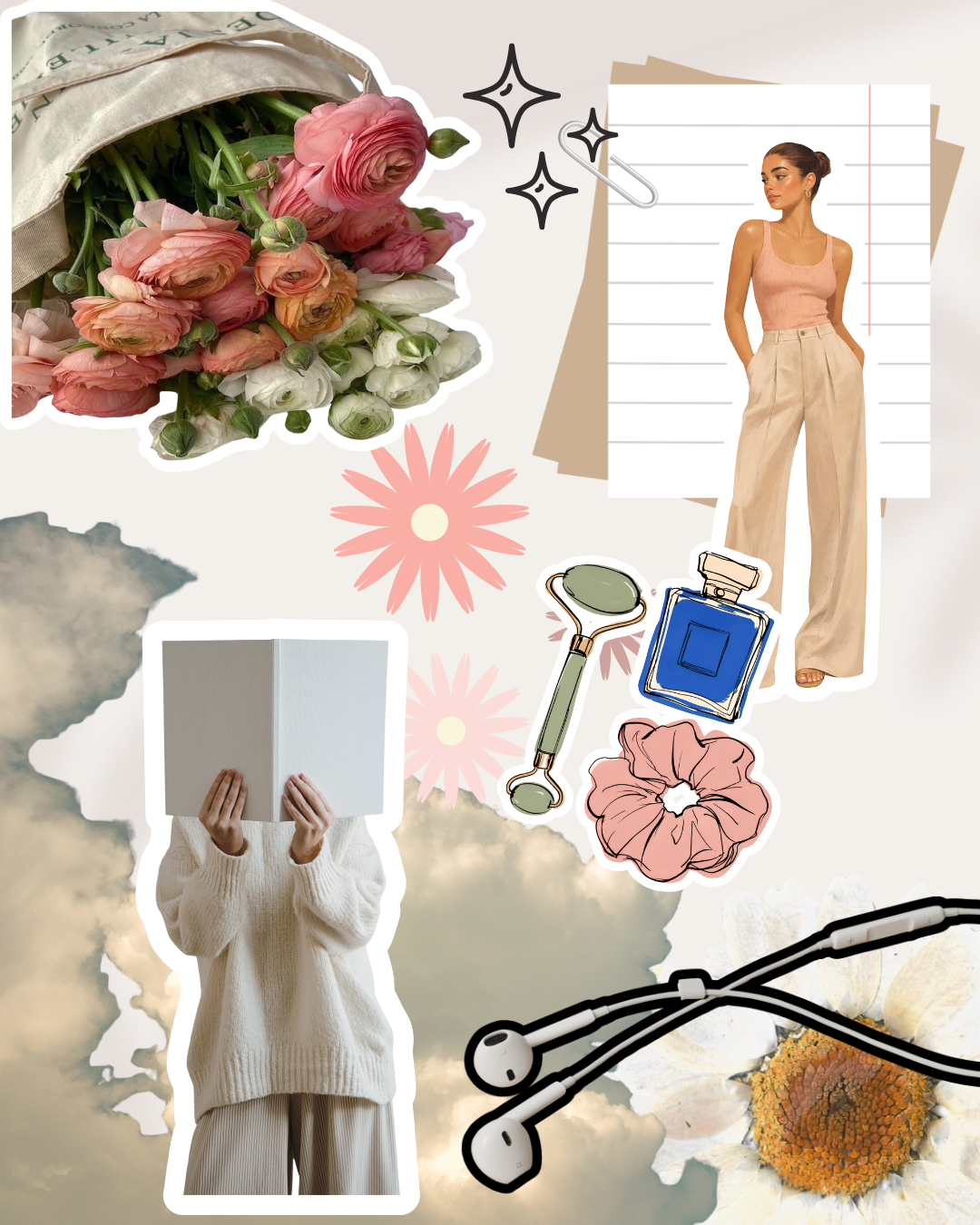
So why do we do it?
In 1959, a sociologist called Erving Goffman wrote a book called The Presentation of Self in Everyday Life, and its big idea is that we're all actors. Out front, on what he called the front stage, we play the role the situation needs. Backstage, we take the shoes off. For Goffman, performing is simply how people work.
Goffman never saw Instagram, but he basically described it. The grid is the front stage. Your camera roll, with 47 attempts at the same selfie and a photo of a parking ticket, is backstage.
Then there's the John Berger bit I keep coming back to. Women, he said, watch themselves being looked at. So we don't just perform for an audience. We perform for the little critic in our heads, who has very strong opinions about our kitchen and our arms.
And a type is a shortcut. If I'm the clean girl, you know who I am before I open my mouth, and so do I. When you're 23 and have no idea who you are, borrowing an identity off the shelf is a lot easier than building one from scratch. Then the algorithm rewards it, because a recognisable type is easy to sort and even easier to sell to.
The types aren't neutral, either. The history researcher Averyl Gaylor wrote in The Conversation that the clean girl look is a “highly gendered and racialised aesthetic” that borrows from very old ideas linking cleanliness with class. A slicked-back bun looks effortless right up until you price the skincare that's meant to go with it.
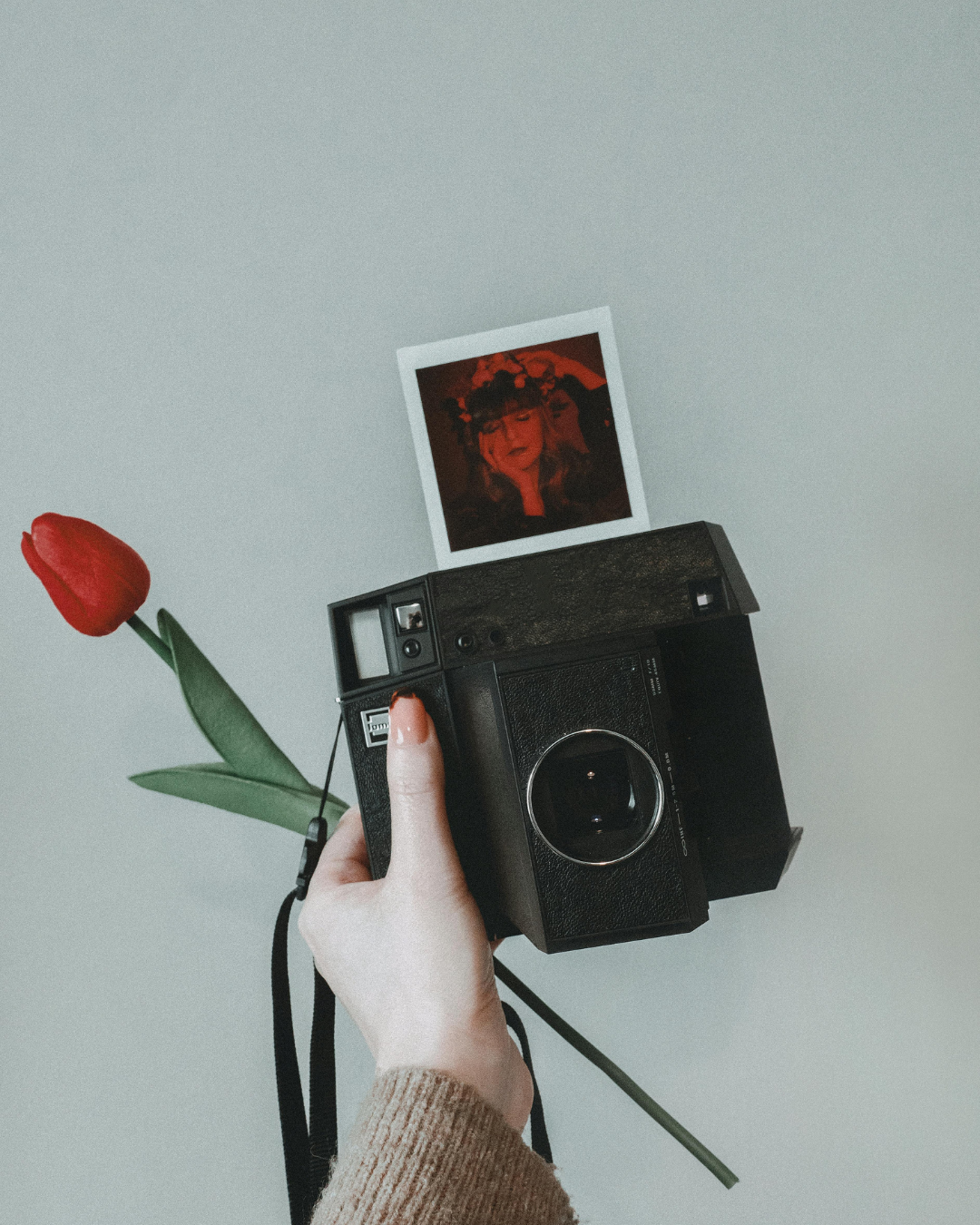
The Boss Babe, and the bill
Most of these performances cost you a bit of money, and in my case I lost a very dear friend to the MLM. I still think of her before the cult got her. The Boss Babe was different, because her costume came with a starter kit.
You remember her. She had a hat with a brim you could land a helicopter on. She posted about “freedom” from a kitchen she'd never been freer in. She messaged you after eleven years of silence with “Hey hun!!” Or in my case tried to convince me that paying £18 for a tube of toothpaste during the Covid years and taking on this “business opportunity” would help my children. Think of the children?!!!
In 2018, the AARP Foundation surveyed more than 1,000 Americans about multi-level marketing. Of the people who'd taken part, 47% lost money, and another 27% made nothing at all. Only a quarter made a profit, and more than half of those made less than $5,000. 34% had been recruited by a friend, and 39% of the people who quit said they left because pitching to friends and family felt awkward.
So the performance was the product. The hat and the smiling selfie at the “leadership retreat” were what was really for sale, and plenty of women paid for that dream in cash and in friendships. I've got real sympathy for her. She was sold a version of herself, and she believed it, and then she had to keep performing it long after she knew.
When does it stop?
If Goffman's right, it doesn't. You never get to walk off stage completely. Even taking your bra off at 9pm and eating crisps over the sink is a performance, it's just one for an audience of one tired woman and a dog.
But I do think something changes, and for a lot of the women I know it happens somewhere in their forties. You get a bit too tired to keep up with the costume changes. The clean girl bun gives you a headache. You look at the grey velvet sofa and think, actually, I just want somewhere comfy to lie down. You stop asking what kind of woman you're meant to be this year, and you start noticing which bits of all those costumes you kept.
Because you did keep some. That's the bit I find quite lovely. Every one of those women who came through my studio left something behind that was genuinely hers. A love of books that outlived the posed stack in the background. A business she built properly after the leggings one fell through.
So maybe the performance doesn't stop so much as wear thin, like a favourite jumper, until you can see the actual person through it.
And for the record, I'm not giving up the analog thing. I just won't be buying a tote bag for it.

Sources
Doing Sociology: Goffman's The Presentation of Self in Everyday Life (1959) and social media
Cyprus Mail, from The Conversation: clean girl and old money aesthetics (Averyl Gaylor, 2023)
John Berger, Ways of Seeing (1972), as cited in The Male Gaze Is So Last Century