TikTok, YouTube, and the Death of Polished Content: Why Real Wins in 2026
Because in a world of AI Creation, the 2026 trend will be REAL reel content. Here’s why:
There was a time when “good marketing” meant polished visuals, scripted messaging, and a brand voice so safe it could pass a corporate background check.
That time is over.
Not because people suddenly became deep, thoughtful consumers of content. Let’s not get carried away. But because platforms like TikTok and YouTube have quietly shifted the rules of visibility, trust, and attention.
And if you’re still trying to show up online like a brochure with a pulse, you’re already behind.
This isn’t about chasing trends. It’s about understanding how people actually consume content now, and adjusting accordingly.
TikTok: Where Perfection Goes to Die (Thankfully)
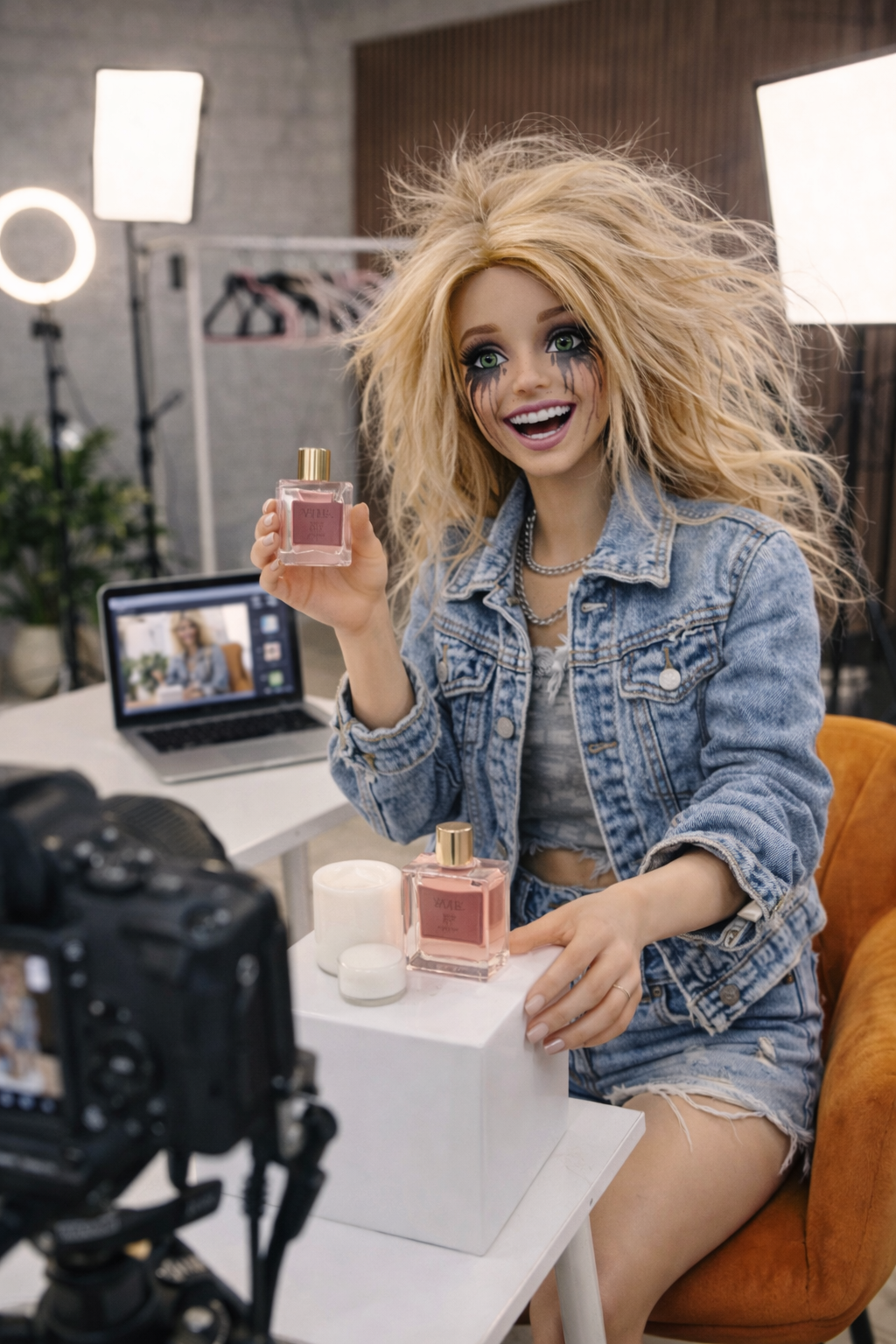
TikTok didn’t win because it was polished.
It won because it felt real.
For years, businesses were told to present the “best version” of themselves. Clean branding. Perfect lighting. Carefully curated messaging. The digital equivalent of smiling through gritted teeth.
Then TikTok showed up and rewarded the opposite.
Suddenly:
Messy behind-the-scenes clips outperformed studio shoots
Unscripted thoughts beat rehearsed pitches
Relatable moments drove more engagement than “high production value”
Which, frankly, makes sense. People trust what feels human. Not what feels manufactured.
And no, this isn’t just for Gen Z anymore. With over a quarter of users now over 35, TikTok has quietly become one of the most powerful platforms for reaching actual decision-makers … not just teenagers dancing in kitchens.
Why Authentic Storytelling Works (Even If You Hate the Word “Authentic”)

“Be authentic” is one of those phrases that sounds nice and means absolutely nothing unless you define it.
So let’s define it.
Authentic content isn’t:
Oversharing your entire life
Filming yourself crying in the car
Pretending to be “raw” for engagement
Authentic content is:
Clear thinking, expressed simply
Real experiences, shared honestly
Useful ideas, explained without fluff
It’s not about vulnerability for the sake of it. It’s about clarity.
And clarity is what builds trust.
What to Actually Post on TikTok (Without Losing Your Mind)
If your strategy currently consists of “I should probably post more,” congratulations, you’re in the majority.
Here’s what actually works:
1. Behind-the-Scenes Content
People don’t just want the outcome. They want the process.
Show:
How you work
How you think
What goes into what you do
This builds credibility without you having to say “I’m an expert” every five minutes.
2. Quick Educational Insights
You don’t need a 10-part series to be valuable.
Short, sharp insights work:
“Here’s what most people get wrong about X”
“If I had to start again, I’d do this instead”
“This is why your content isn’t working”
You’re not trying to impress people. You’re trying to help them understand something quickly.
3. Customer or Client Stories
Not testimonials. Stories.
There’s a difference.
Instead of:
“Sarah was amazing, highly recommend!”
Try:
What problem they had
What changed
What the outcome was
People connect with journeys, not praise.
4. Trends (Used Properly, Not Desperately)
You can engage with trends without embarrassing yourself.
The rule is simple:
If it doesn’t connect to your message, don’t force it.
You’re building a brand, not auditioning for relevance.
5. Longer-Form Content (Yes, On TikTok)
TikTok is quietly pushing longer videos because — shock — people will watch longer content if it’s actually interesting.
Use this to:
Explain ideas properly
Tell fuller stories
Go deeper than surface-level tips
Attention spans aren’t dead. Bad content is.
The Real Strategy: Consistency Without Burnout
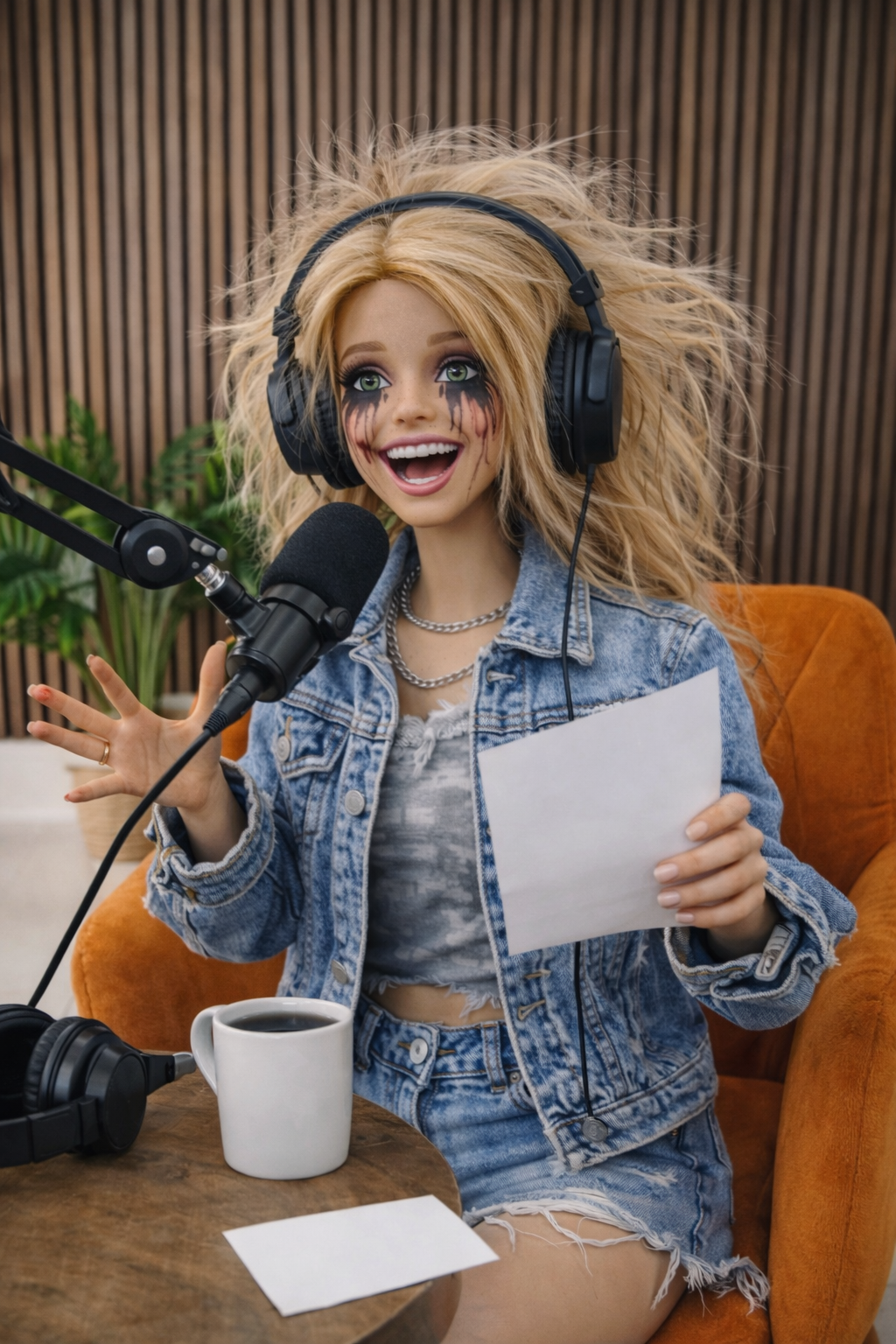
Here’s where most people go wrong.
They either:
Post sporadically and hope for the best
Burn out trying to post daily with no strategy
Neither works.
Instead:
Set a realistic content rhythm
Focus on clarity over quantity
Treat content like a system, not a mood
You’re not here to “go viral.” You’re here to be understood.
YouTube: The Slow Burn That Actually Pays Off
If TikTok is fast attention, YouTube is long-term authority.
And unlike most platforms, YouTube content doesn’t disappear after 48 hours like a forgotten New Year’s resolution.
It compounds.
YouTube is the second-largest search engine in the world. Which means people aren’t just scrolling. They’re looking.
That changes everything.
Why YouTube Matters for SEO and AI Search
Search is evolving.
It’s no longer just:
Blog posts
Websites
Written content
Video is now a major part of how information is discovered, indexed, and surfaced — especially in AI-driven search results.
Which means:
If you’re not creating video, you’re missing a huge opportunity to be found.
What to Create on YouTube (That People Will Actually Watch)
You don’t need to reinvent the wheel. You just need to align with intent.
1. Tutorials
Teach something specific.
Not:
“How to succeed in business”
But:
“How to film content on your phone that doesn’t look terrible”
Specific wins.
2. Explainers
Break down ideas clearly.
Concepts
Strategies
Common mistakes
You’re not showing off. You’re making things make sense.
3. Process-Based Content
Show how you do what you do.
This builds:
Trust
Authority
Transparency
And conveniently removes the need for hard selling.
4. Blog-to-Video Strategy
If you’re already writing content, turn it into video.
This:
Increases discoverability
Gives people multiple ways to engage
Strengthens your SEO footprint
One idea. Multiple formats. Less effort, more reach.

Optimisation: The Boring Bit That Actually Matters
You can create the best video in the world, but if no one can find it, it’s essentially a very expensive hobby.
Focus on:
Clear, keyword-driven titles
Descriptions that actually explain the content
Relevant tags (not random guesses)
You don’t need to “hack the algorithm.” You need to be understandable.
TikTok vs YouTube: Stop Choosing, Start Integrating
This isn’t a competition.
TikTok and YouTube do different jobs:
TikTok = discovery and connection
YouTube = depth and authority
Use TikTok to:
Test ideas
Build visibility
Start conversations
Use YouTube to:
Expand on those ideas
Build trust over time
Create long-term assets
Together, they form a system.
Separately, they’re just noise.
The Bigger Picture: Content That Actually Reflects You
Here’s the part most people avoid.
Platforms don’t fix bad messaging.
You can:
Post consistently
Follow every “strategy”
Optimise everything
…but if you don’t know what you stand for or how to communicate it, none of it sticks.
Content is an extension of identity.
And if that identity is unclear, your content will be too.
Final Thought (The One People Ignore)
You don’t need more content.
You need better alignment between:
Who you are
What you say
How you show up
TikTok and YouTube aren’t magic solutions.
They’re tools.
Useful ones, powerful ones — but still just tools.
Used well, they can build visibility, trust, and opportunity.
Used badly, they’ll just give you more content to feel overwhelmed by.
Choose wisely.